
How Does Pet Insurance Work?
How Pet Insurance Works
We all know the worry when our furry friend isn't feeling their best or lands in a bit of trouble. Vet bills can quickly add up, making an already stressful situation feel even more overwhelming.
Pets come with unexpected moments: your dog swallows something they shouldn't, or your cat starts feeling under the weather. These situations not only cause concern but can also lead to hefty vet bills. Without a safety net, you might find yourself facing tough decisions about your pet's care versus your budget. This is where pet insurance comes in – think of it as your financial ally in pet care.
First, you choose a plan that fits your budget and your pet's needs. Whether it's for those 'Oops, I ate a sock!' incidents, sick days, or essential vet visits to keep your pet healthy, there's a plan for every scenario. When it's time to visit the vet, you pay the bill, and then let your pet insurance know. With Embrace, it's super easy – just snap a photo of the bill, tap a few buttons, and send it off.
They’ll help with the costs, depending on your plan, making it more manageable for you. Each plan is unique, so you can pick the perfect one that keeps both your pet healthy and your wallet happy. With pet insurance, you're not just planning financially; you're ensuring your pet gets the best care, no matter what.
Real Examples of How Dog and Cat Insurance Works for Embrace Pet Families
Squiggy's Unfortunate Car Accident
Squiggy, a spirited mixed-breed cat, was hit by a car, resulting in severe injuries including multiple fractures and internal bleeding. His recovery journey was challenging, but with dedicated care, he made a remarkable recovery.
Vet Bill Details:
Total Vet Bill: $12,169.00
Covered Charges: $12,162.00 (The amount eligible for insurance coverage, after excluding non-covered items.)
Annual Deductible: $200.00 (The amount the pet parent pays before insurance coverage starts.)
Copay: $1,196.25 (The portion of the covered charges that the pet parent is responsible for, after the deductible.)
Total Embrace Reimbursement: $10,000.00 (The maximum amount reimbursed based on the policy's coverage limit.)
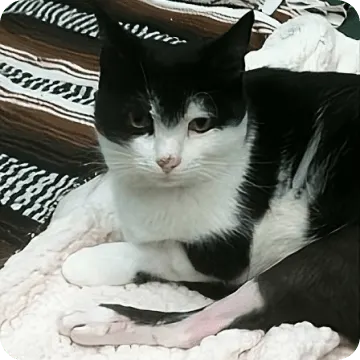
Kylie's Bloat Emergency
Kylie, a beloved pet, experienced a medical emergency one night, showing signs of bloat, a life-threatening condition. She was immediately rushed to the veterinary ER. Quick diagnosis and surgery, including a gastropexy, were crucial in saving her life. Kylie remained hospitalized for four days and thankfully made a full recovery.
Vet Bill Details:
Total Vet Bill: $2,623.64
Covered Charges: $2,433.77 (This is the amount eligible for insurance coverage after excluding non-covered expenses.)
Annual Deductible: $100.00 (The amount the pet parent pays before insurance coverage starts.) Copay: $232.48 (The portion of the covered charges that the pet parent is responsible for, after the deductible.)
Total Embrace Reimbursement: $2,092.29 (The amount reimbursed to the pet parent.)
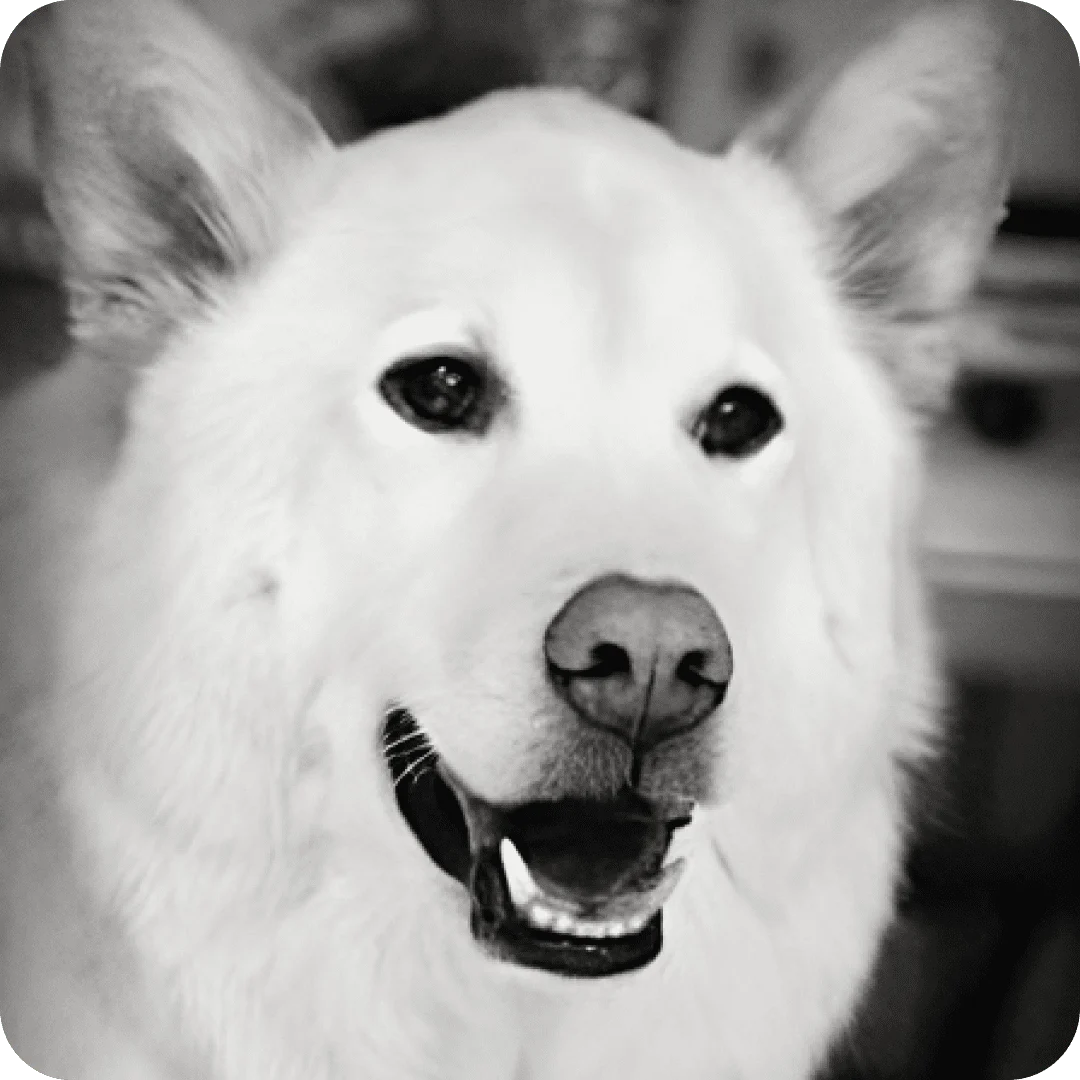
How Does Pet Insurance Reimbursement Work?
After your pet's vet visit, you send in the bill, and that's where the magic happens! Your coverage kicks in, calculating how much money you'll get back. The cool part? You've got the power to choose factors like your plan's deductible, the percentage of costs covered, and your yearly limit. These choices shape your reimbursement, giving you a custom-fit plan. It's all about putting you in the driver's seat, ensuring your pet's health care matches your budget perfectly.
How Pet Insurance Deductibles Work
When picking a pet insurance plan, understanding how pet insurance deductibles work is key. It's the amount you cover before insurance chips in. Choose a deductible that suits your budget: a lower deductible means a higher monthly cost, while a higher deductible lowers your monthly payment.
Here are two main types of deductibles you’ll find in the pet insurance world:
Annual Deductible: This is the Embrace way. You pay this once a year, no matter how many times your pet sees the vet. It’s straightforward and easy to budget for – you know what’s coming each year.
Per-incident Deductible: Applied for each new condition or incident. For example, if your pet has multiple medical issues in a year, you'll pay a deductible for each separate incident. This can get costly if your pet has multiple unrelated visits to the vet in a year. The key is finding a balance that suits your pet's needs and your budget, especially when considering how pet insurance deductibles work. Embrace’s annual deductible is a popular, budget-friendly choice for many pet parents.
How An Annual Coverage Limit Works
Think of an annual coverage limit as your pet's yearly piggy bank from the insurance company. It's the max amount they'll chip in for your pet's vet bills each year, after your deductible is all taken care of.
So, let's say your policy has a $10,000 limit. If your furry buddy has a wild year and racks up $12,000 in vet bills, your insurance will cover up to $10,000. The extra $2,000? That's where you step in.
It's all about choosing a limit that gives you peace of mind, knowing you're prepared for both the small stuff and the big surprises.

How Your Reimbursement Percentage Works
Think of your pet insurance's reimbursement percentage as a buddy system for your wallet. It's the part of the vet bill your pet insurance pays after your deductible is out of the way.
When you sign up, you choose this rate – usually between 70-90%. For instance, with a 90% plan and a $500 vet bill, your insurance pitches in $450. With a 70% plan, it's $350 from the same bill. Remember, a higher rate means a higher monthly premium, but you get more back on claims. It's about finding that sweet spot where your wallet and your pet's health both win!
How You Can Make Your Pet Insurance Work Even Better!
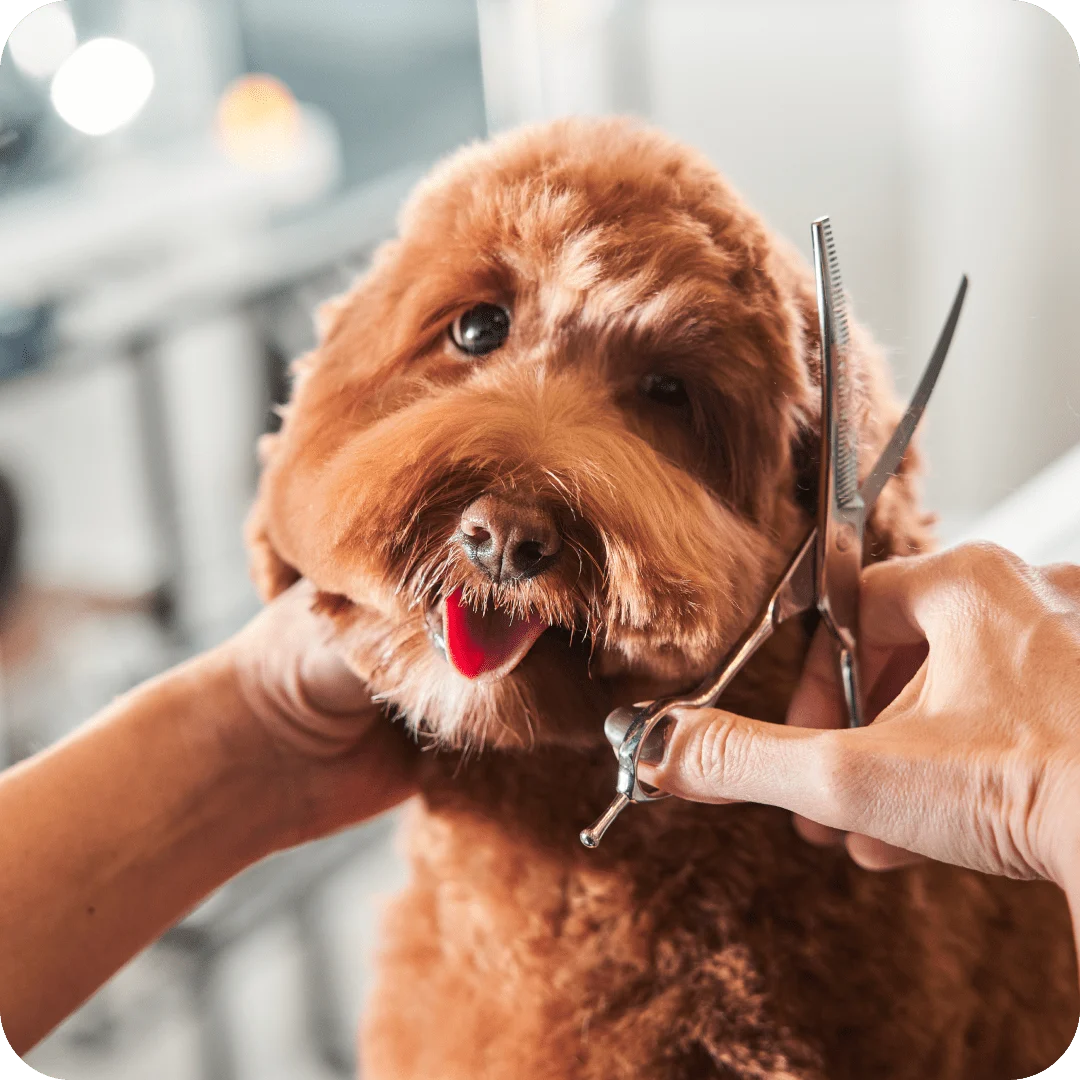
Supercharge your pet insurance with a wellness plan, for routine and preventative care. It’s the perfect complement to an accident and illness policy, offering support for the everyday essentials – think vet check-ups, grooming, and even training sessions.
It’s not another insurance policy; it’s a proactive way to budget for your pet’s everyday care. Many wellness programs offer flexibility by letting you choose from multiple yearly allowance options, allowing you to tailor your budget to your pet’s life stage and needs. These programs are often straightforward, with no copays and no impact on your insurance deductible. They’re designed to help spread out the costs of routine care over the year, making it easier to manage expenses while ensuring your pet gets the care they deserve.
What Does Pet Insurance Cover?
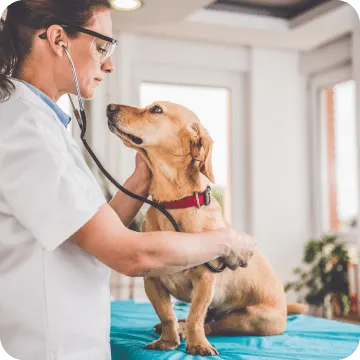
Pet insurance is like a safety net for your pet's health. While each plan is unique, most cover a range of important treatments and conditions. Here's a quick peek at what's typically included:
Genetic and Breed-Specific Conditions: Covers issues unique to your pet's breed.
Exam and Consultation Fees: While some pet insurance plans don't include this, Embrace gives you the choice to add optional coverage for veterinary visits related to diagnosis and treatment when you enroll. This optional inclusion can potentially save you $50 to $200 per visit.
Complementary Treatments: Includes complementary therapies for holistic care.
Chronic and Recurring Conditions: For ongoing issues like allergies or arthritis.
Prescription Medications: You can choose to add optional coverage for medications prescribed by your veterinarian as part of your plan at the time of enrollment.
ER and Specialist Care: For those unexpected emergencies and specialized treatments.
Remember, each insurance plan is different, so it's important to pick one that fits your pet's specific needs. For a full list of what Embrace Pet Insurance covers, check out the Embrace’s Full Coverage Plan.
What Doesn’t Pet Insurance Cover
While pet insurance can cover a wide range of health needs for your pet, there are some things that it typically doesn't include. Here's a quick list:
Cosmetic, Elective, or Preventative Procedures: Things like tail docking, ear cropping, or declawing usually aren't covered.
Breeding, Pregnancy, or Whelping: Costs related to breeding or birth are not covered.
Prescription Diet Food: Special diet foods prescribed by your vet are generally not included in pet insurance plans.
So, while pet insurance is a big help for unexpected vet bills, these are the kinds of things you'll need to budget for separately.
FAQs About How Pet Insurance Works
Pet insurance is a handy safety net for our furry friends, but it’s not without a few quirks: Coverage may exclude pre-existing conditions, there are waiting periods, costs (premiums, deductibles, co-pays) can add up, choosing the right plan can be complex, older pets might have higher costs or limited coverage, and basic plans may not cover routine care. So, it's essential to weigh these factors when considering pet insurance.